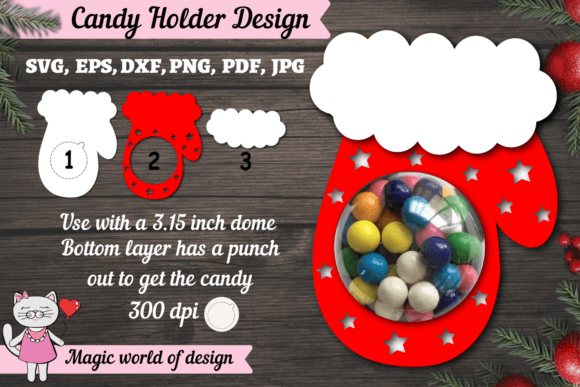
3d Christmas Mittens Candy Dome Svg
As a designer who spends more time than I care to admit staring at stitch lines and debating thread colors, I approach every new machine embroidery design with a healthy dose of skepticism. The market is flooded with generic holiday graphics, but very few actually translate well from screen to fabric. When I first pulled up the 3d Christmas Mittens Candy Dome Svg, my initial reaction was one of cautious optimism. It promises that specific blend of cozy winter nostalgia and playful sweetness that defines the best seasonal crafts. But does it hold up when you put it under the needle? Let’s break down how this embroidery file performs in real-world applications.
The Visual Personality and Mood
Before we talk about tension settings or stabilizers, we have to talk about the vibe. This design immediately communicates warmth and indulgence. The combination of mittens—a classic symbol of winter comfort—and a candy dome suggests a gift that is both tactile and sweet. Visually, the layout feels balanced, avoiding the cluttered look that often plagues busy holiday designs. It has a clean, modern aesthetic that fits well with current trends in handmade decor and apparel.
The "3D" aspect mentioned in the title usually implies a dimensional effect, which in embroidery terms often relies on clever use of satin stitch outlines or layered applique techniques to create depth. For a craft business owner, this visual depth is crucial. It makes the finished product pop on social media and in physical craft fair displays. It doesn’t just look like a flat image; it looks like an object. This perceived value can significantly boost customer engagement for an Etsy seller or anyone selling personalized gifts.
Real-World Application: From Screen to Stitch
I decided to test this digital embroidery file by envisioning it for a few common small business projects. First, the custom tote bag. A canvas tote featuring these mittens and candy creates an instant holiday shopping accessory. The design is substantial enough to be seen from a distance but detailed enough to reward a closer look. It works beautifully as a central chest print or even centered on the back of a sweatshirt for a statement piece.
Another strong contender is the baby item market. Embroidered onesies or nursery wall hangings are huge sellers during Q4. The soft, rounded shapes of the candy dome and mittens are gentle and appropriate for baby-themed decor. However, this is where practical judgment comes in. If you are stitching this on thin jersey knits for baby clothes, you need to be extremely careful with your stabilizer choice. Without proper backing, the weight of the fill stitches could pucker the delicate fabric, ruining the professional finish.
For the commercial embroidery sector, consider its use on kitchen towels or aprons. Holiday hosting is a massive trend, and a set of embroidered tea towels with this design offers high utility and high gifting appeal. The contrast between the white cotton of a towel and colorful threads will make the thread colors stand out brilliantly. It transforms a basic household item into a boutique-quality handmade product.
Technical Considerations and Fabric Choices
Not all fabrics are created equal, and this design requires some strategic planning depending on what you are stitching. The density of the fill stitches in the candy dome and the mitten bodies means that lighter, loosely woven fabrics might show the texture of the backing too clearly. Stick to medium-to-heavy weight fabrics like denim, thick cotton blends, fleece, or felt for the cleanest result.
If you are working with textured fabrics, such as a boucle wool or a heavy chenille sweatshirt, the fine details of the mittens might get lost. In those cases, the bold outlines will carry the design, but you lose some of the intricate charm. Similarly, stretchy fabrics require a cut-away stabilizer to prevent distortion during the washing process. Since this is likely intended for items that see regular use—like hats or bags—durability is key. You want the finished product to survive the wash without losing its shape.
One area to watch closely is the small details. While the overall shape is clear, tiny decorative elements (like buttons on the mittens or sprinkles on the candy) need to be large enough to stitch cleanly. If the digitization pushes these elements too small, they may merge together or break easily. Always inspect the stitch density in your software before committing to a production run.
Color Strategy and Presentation
Color is everything in holiday design. With this graphics asset, you have the freedom to interpret the palette. Traditional reds and greens are safe, but trying unexpected combinations like navy and gold, or cream and burgundy can help your brand stand out. Test your thread colors against your fabric background. Dark fabrics require bright, saturated threads to ensure visibility, while light fabrics allow for softer, pastel palettes that feel more elegant.
When creating printable mockups for your online store, remember that digital rendering cannot fully capture the sheen of rayon or polyester threads. Use photos of actual stitched samples whenever possible. This builds trust with buyers who are looking for authentic custom apparel or decor. Show them how the light hits the satin stitch edges. That subtle shine is what sells the quality.
Practical Designer Notes
- Test First: Never assume a design will work perfectly on your favorite fabric. Run a test stitch on a scrap piece of the same material and stabilizer combo you plan to use.
- Check Contrast: View your design in black and white mode in your digitizing software. If the shapes don’t read clearly without color, the composition might lack sufficient contrast.
- Hoop Size Matters: Ensure the design fits comfortably within your machine’s hoop size, leaving enough margin for trimming and handling. Attempting to embroider a large design on a small hoop can lead to alignment issues.
- Licensing: Before you start listing these on Etsy or your own shop, double-check the license terms included in the download. Some digital products are for personal use only, while others allow commercial sales of the finished item. Confusion here can lead to costly legal issues.
- Stabilizer Selection: Use a high-quality tear-away or cut-away stabilizer depending on the fabric. Poor stabilization is the number one cause of puckering and misalignment.
Final Verdict
The 3d Christmas Mittens Candy Dome Svg is a versatile and charming addition to any designer’s library. It strikes a nice balance between whimsical and sophisticated, making it suitable for a wide range of audiences, from young parents to holiday decorators. Its strength lies in its clear visual narrative and adaptability across different mediums, from tote bag design to embroidered patch applications.
However, success depends entirely on execution. Your skill in choosing the right fabric texture, managing stitch density, and selecting complementary thread colors will determine whether the final output looks like a mass-produced knockoff or a premium handmade treasure. Treat it with respect, test it thoroughly, and you’ll have a winning product for the holiday season.
For the small shop product creator, this design offers a low-risk, high-reward opportunity. It taps into the universal love for holiday treats and winter wear. By paying attention to the technical details outlined above, you can leverage this design assets package to create memorable embroidery project outcomes that customers will cherish. Just remember to check the included files—SVG, PNG, EPS, DXF—to ensure they meet your specific workflow needs before you begin stitching.