3D Flower Mandala Embroidery Review
As a designer who spends more time staring at stitch density charts and fabric swatches than I care to admit, I approach every new digital asset with a healthy dose of skepticism. We have all seen the "perfect" mockups that fall apart in real life—threads bunching, details vanishing into the weave, or proportions that look strange once transferred from screen to hoop. That is why I take the time to evaluate designs like 3D Flower Mandala not just for their aesthetic appeal, but for their viability as a commercial product and a functional embroidery file.
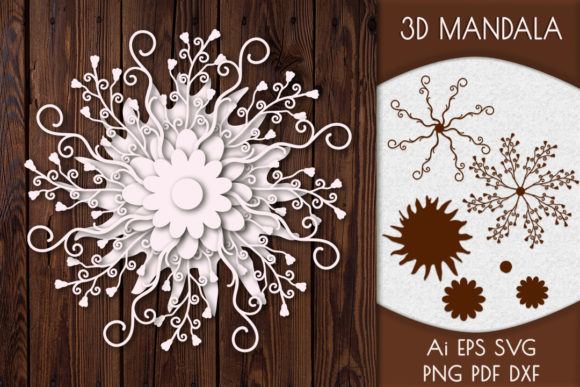
This particular design caught my eye because it bridges two distinct worlds: the intricate geometry of mandalas and the organic softness of floral elements. But unlike standard flat embroidery files, this 3D SVG offers a volumetric approach. It is described as a digital product usable as a cut file for printing or cutting layers, which suggests a mixed-media potential that goes beyond traditional machine stitching. However, for those of us in the embroidery community, the question remains: how does this translate when stitched?
First Impressions and Visual Personality
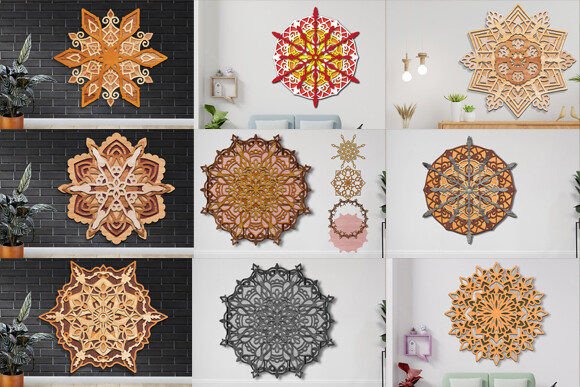
The immediate mood of the 3D Flower Mandala is one of serene complexity. Mandalas naturally draw the eye toward the center, creating a hypnotic effect that works exceptionally well on wearable items where the design sits close to the body. The floral motifs soften the rigid symmetry, making it feel less like a geometric diagram and more like a blooming garden viewed from above.
From a design perspective, the layout is balanced. It avoids the cluttered look that plagues many low-quality embroidery files. The negative space between the petals and geometric lines is crucial; if it were too dense, the final product would feel heavy and stiff. Here, the spacing feels airy, suggesting that even on heavier fabrics, the garment won’t become unwearable due to weight. This visual lightness is a key factor in customer satisfaction, especially for boutique brands looking for premium-looking handmade products.
Real-World Application: The Custom Tote Bag Scenario
To truly test a design’s worth, you have to imagine it in use. Let’s say you are an Etsy seller preparing inventory for the upcoming holiday season. You decide to create a custom embroidered tote bag for a client who loves bohemian home decor. You choose the 3D Flower Mandala for its ability to serve as both a decorative element and a brand logo placeholder.
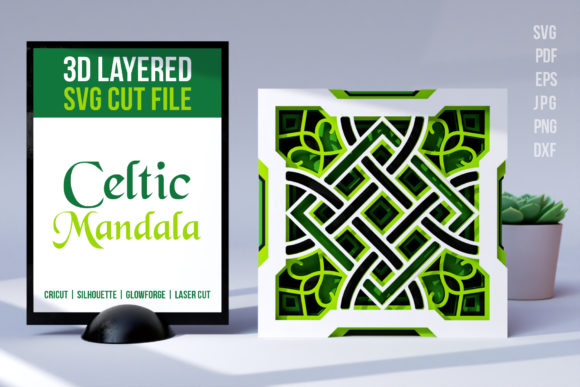
When I visualize this on a canvas tote, the mandala acts as a focal point. Because the design allows for layering (cutting out each layer and connecting centers), you can create a textured, raised effect that mimics 3D applique without the tedious hand-stitching required for true dimensional work. This versatility is huge for small business owners. You aren't limited to just thread; you can incorporate felt, velvet, or even metallic paper cuts if you are using the SVG for crafting purposes. For the apparel decorator, this means higher perceived value. A flat print looks cheap; a layered, volumetric flower looks intentional and expensive.
However, consider the sweatshirt application. If you place this large mandala on the back of a crewneck, the structure holds up well against the thicker knit fabric. The contrast between the smooth thread or paper layers and the textured fleece creates a tactile experience that buyers love. It transforms a basic $20 blank into a $45 personalized gift item. That margin improvement is exactly what craft business owners need to scale.
Technical Considerations and Stitch Behavior
While the visual appeal is strong, practical execution requires caution. The term 3D SVG implies a structural component that differs from a standard machine embroidery design. If you are planning to stitch this entirely with thread, you must pay close attention to stitch density. Mandala patterns often rely on fine lines and small shapes. If the hoop size is too small relative to the design, the machine may struggle with the transition between the outer rings and the central flower core.
I recommend testing the design on scrap fabric first, specifically checking how the satin stitch edges hold up on different materials. On slippery fabrics like silk or thin cotton, the tension might pull the fabric, distorting the mandala’s perfect circle. In such cases, a heavy-duty stabilizer is non-negotiable. Without proper support, the delicate inner details of the flower petals may merge together, losing the clarity that makes the design attractive.
Furthermore, consider the thread colors. A monochromatic scheme (e.g., white on white) will highlight the texture and depth of the 3D layers beautifully. However, if you choose high-contrast colors, ensure the fill stitch areas do not overwhelm the finer running stitch details. The goal is balance. Too much coverage can make the design look muddy, while too little can leave it looking sparse.
Where to Use Carefully
Not every surface is suitable for this level of detail. I advise against using the 3D Flower Mandala on highly textured fabrics like chunky knits or bouclé, as the base material will interfere with the precision of the mandala’s geometry. Similarly, stretchy fabrics require extra stabilization to prevent warping during the embroidery process.
Small hoop sizes are also a limitation. If you attempt to shrink this design down to fit a tiny cap logo or a baby onesie chest area, you risk losing the intricate inner petals. The design shines best when given adequate space—think aprons, pillow covers, tea towels, or medium-to-large tote bags. These items provide a flat, stable canvas that allows the mandala’s symmetry to breathe.
Commercial Viability and Brand Consistency
For the Etsy seller or small shop product creator, consistency is key. The 3D Flower Mandala offers a versatile aesthetic that fits seamlessly into various niches. It works for nursery decor, adding a calming touch to a child’s room. It serves as an elegant choice for wedding gifts, perhaps embroidered on linen napkins or guest books. It even fits the holiday embroidery niche if rendered in gold or silver threads for festive accents.
The ability to use this as a printable mockup or design asset for digital previews is a significant advantage. You can showcase the layered nature of the design in your online store, helping customers understand the unique value proposition before they buy. This transparency builds customer trust and reduces return rates caused by mismatched expectations.
Final Verdict
The 3D Flower Mandala is a sophisticated addition to any designer’s library. It successfully merges geometric precision with organic beauty, offering multiple avenues for execution through thread, paper, or mixed media. Its strength lies in its adaptability—it can elevate a simple tote bag design into a statement piece or add a touch of luxury to a sweatshirt embroidery project.
Just remember to respect the technical limitations. Test your embroidery project thoroughly, check your stabilizer choices, and always confirm licensing terms before selling finished items. When executed correctly, this design delivers a professional, high-end look that resonates with buyers seeking quality handmade goods. It is not just a file; it is a tool for creating memorable, tangible experiences.