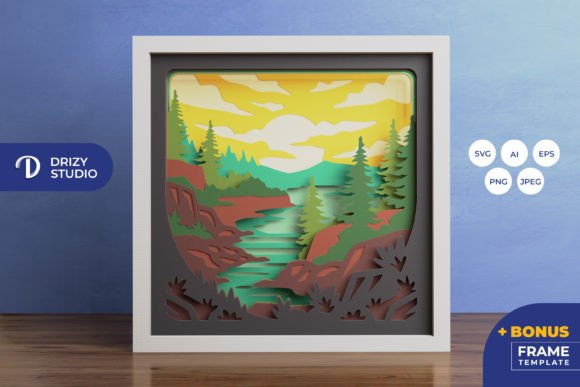
3D Papercut Cricut Layered Paper Art for Shadow Boxes
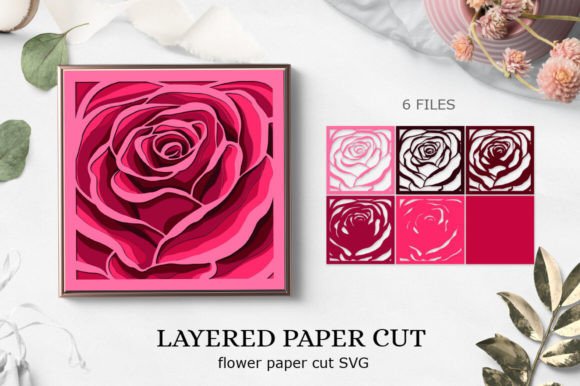
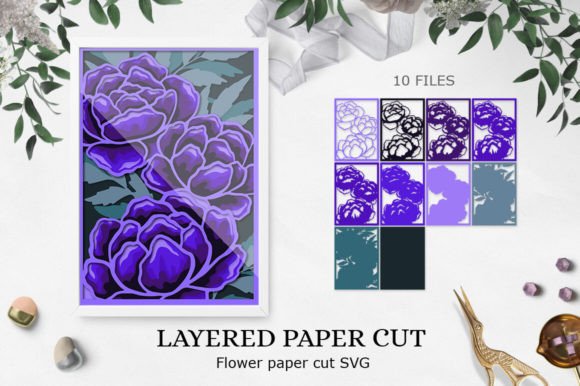
I was recently approached by a boutique candle maker looking to elevate her packaging and social media presence. She wanted something that felt handmade, organic, and deeply tactile, but she needed digital assets that could be scaled for both web graphics and physical production. This is where 3D Papercut Cricut Layered Paper Art caught my eye. As a graphic designer who frequently bridges the gap between digital aesthetics and physical craft, I see this asset not just as clipart, but as a structural design tool. The specific bundle featuring layered papercut flowers offers a unique opportunity to create depth in flat media, making it an excellent candidate for Shadow Boxes, intricate packaging inserts, and high-end brand identity projects.
First Impressions: Mood and Visual Weight
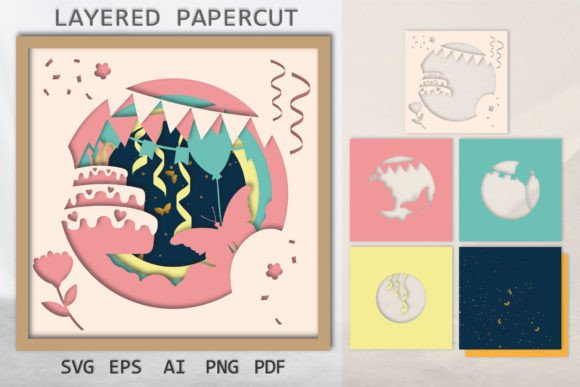
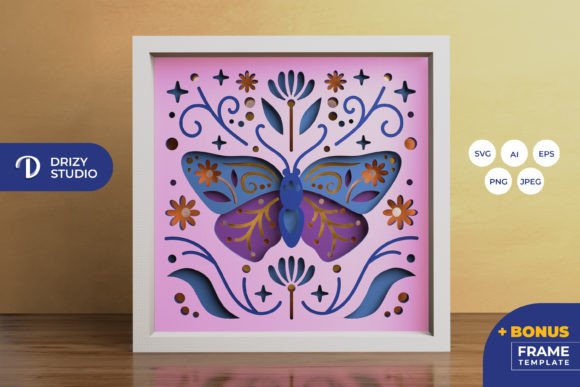
The moment you open the files, the visual language is clear. These are not simple silhouettes; they are designed with overlapping layers that mimic the physical act of cutting paper. The mood is romantic, vintage-inspired, and highly decorative. For a client project, this immediately signals warmth and artisanal quality. It works exceptionally well for brands in the wedding industry, botanical skincare lines, or artisanal food products. The 3D SVG nature of these files allows designers to manipulate z-depth digitally before even sending them to a cutter, which is a massive advantage for creating realistic mockups.
The inclusion of colorful illustrations alongside the cut files suggests versatility. You aren't limited to monochrome branding. If your client’s brand palette includes soft pastels or earthy tones, these papercut elements can serve as the hero graphic in a marketing visuals campaign. However, if the brand is strictly minimalist, you must be cautious. The inherent complexity of layered paper art can clash with ultra-clean, corporate aesthetics unless used very sparingly as a subtle texture.
Real-World Application in Client Projects
In my recent workflow, I tested this asset across several mediums to see how it held up. Here is how 3D Papercut Cricut Layered Paper Art performed in practical scenarios:
- Packaging Design: This is the strongest use case. By using the included
svganddxffiles, I created a die-line insert for a soap box. The layered effect creates a beautiful shadow play when light hits the cardstock, elevating the unboxing experience. It transforms a standard cardboard box into a premium product. - Social Media Graphics: For Instagram posts and Pinterest pins, the depth adds visual interest without requiring complex photography. I placed the layered flower illustration over a solid color background and added drop shadows in Photoshop. The result looked like a physical photograph of a papercut scene, saving hours of 3D modeling time.
- Print-on-Demand Products: When adapting this for t-shirt design or mug prints, the layered look translates well if handled correctly. Using the
pngfiles with transparent backgrounds allows for seamless integration onto apparel. However, for small sizes, the fine details of the papercut layers might get lost. In these cases, simplifying the layers or using the single-color vector version is crucial. - Editorial and Web Design: I used the colorful illustration as a header element for a blog post about sustainable crafting. It broke up the text nicely and reinforced the article’s theme. The
epsfile allowed me to scale it infinitely without pixelation, ensuring crisp edges on large monitors.
Strategic Placement and Hierarchy
Not every design space is suitable for such detailed assets. 3D Papercut Cricut Layered Paper Art demands attention. It should be used in large layout areas, hero graphics, or as decorative accents around key information. It is less effective in crowded layouts where visual hierarchy needs to remain strict. If you are designing a flyer with dense text, placing a complex papercut flower behind the copy will compete for the viewer’s eye, reducing readability.
Instead, consider using these assets for supporting brand elements. They work beautifully as watermarks, corner ornaments, or borders. For a handmade business, these elements signal craftsmanship. When used in sublimation design or sticker design, they add perceived value. A customer buying a sticker sheet feels they are getting more than just a flat image; they are getting a piece of art that implies depth and care.
Technical Considerations for Designers
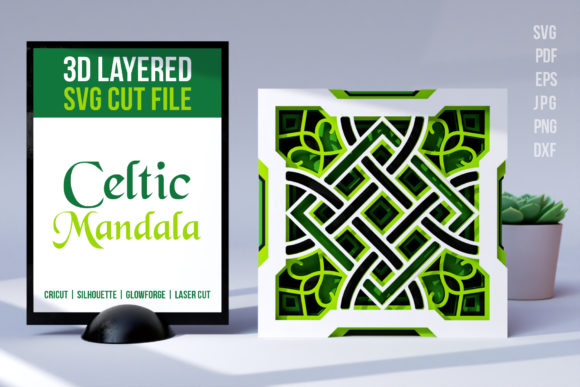
Before integrating this asset into a commercial project, there are several technical checks every designer should perform. The bundle includes svg, png, jpg, eps, and dxf formats, which covers most professional needs, but each has its own best practice.
- Vector Editability: Always start with the
svgorepsfile. This allows you to recolor the layers to match your client’s exact brand hex codes. If you use thepngdirectly, you are locked into the provided colors, which may not align with a specific brand identity guide. - Contrast Testing: Place the black-and-white version of the asset on both light and dark backgrounds. Papercut designs rely heavily on contrast to show their layers. On low-contrast backgrounds, the depth effect disappears, and the design can look muddy.
- Font Pairing: These floral, organic shapes pair best with serif fonts or elegant script fonts. Avoid pairing them with heavy, industrial sans-serif fonts unless you are going for a deliberate juxtaposition. Handwritten fonts can also complement the handmade vibe, but ensure legibility remains intact.
- Mockup Validation: Never assume a digital layer looks good in print. Print a test at actual size. Sometimes, what looks like distinct layers on screen merges together when printed on certain paper stocks. Check the line weights in the
dxffile to ensure your cutting machine can handle the smallest details.
Commercial Licensing and Final Verdict
For any designer working with clients, confirming the commercial license is non-negotiable. Ensure you have the right to sell products made with these cut files. Whether you are producing Etsy products, running a print-on-demand store, or creating custom packaging design for a local client, clarity on usage rights protects your business.
Ultimately, 3D Papercut Cricut Layered Paper Art is a versatile and high-quality design asset. It brings a sense of tactility and warmth that is increasingly valued in a digital-first world. For crafters, Cricut users, and professional designers alike, it offers a shortcut to creating sophisticated, layered visuals without needing advanced 3D software skills. Just remember to respect the visual weight of the asset, test it thoroughly in your chosen medium, and use it where its handmade charm can truly shine.