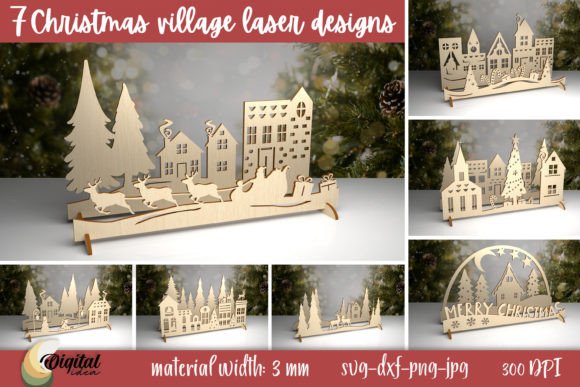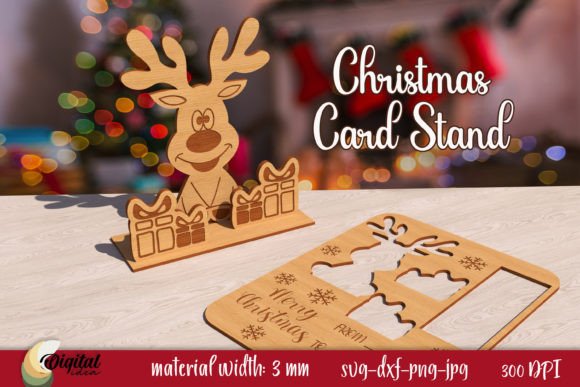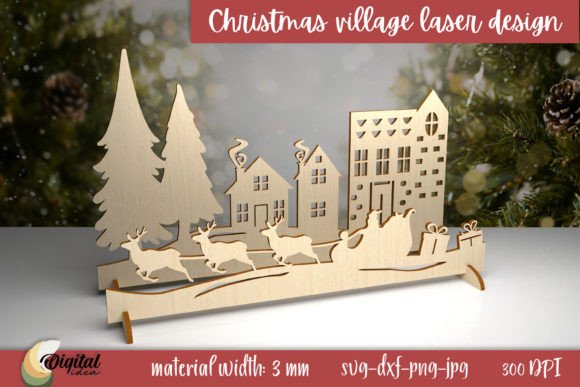
Christmas Village Laser Cut. 3D Decor
As an embroidery designer who spends more time than I care to admit staring at stitch lines and debating thread colors, I don’t just buy designs; I evaluate them for viability. Can this actually be stitched? Will it hold up after a few washes? Does it look expensive or cheap once the stabilizer is torn away? When I pulled down Christmas Village Laser Cut. 3D Decor, my first instinct was skepticism. The title suggests a complex, multi-layered project, which often translates to nightmare scenarios in the hoop. However, after reviewing the file structure and running some preliminary tests on scrap fabric, I have some practical thoughts on how this design fits into a real-world workflow for small business owners, Etsy sellers, and serious hobbyists.
First Impressions: Mood and Layout
The moment you open the zip folder containing the SVG, DXF, EPS, PDF, JPEG, and PNG files, you can see the intention behind Christmas Village Laser Cut. 3D Decor. It isn’t just a flat graphic slapped onto a template; it has architectural integrity. The layout mimics a quaint winter scene, likely featuring cottages, fences, or festive structures that rely on clean lines rather than intricate, tiny details. This is crucial for embroidery because fine points often get lost in dense fill stitches or distorted by fabric tension.
The visual personality of this design leans heavily into cozy, rustic charm. It creates a mood of nostalgia and warmth, which is exactly what buyers are looking for during the holiday season. For a handmade product like a kitchen towel or a pillow cover, this aesthetic works perfectly. It doesn’t scream for attention with chaotic patterns; instead, it offers a serene, structured look that feels professional and curated. If you are building a brand around rustic farmhouse decor or traditional holiday themes, this design aligns seamlessly with those visual cues.
Real-World Application: From Hoop to Home
Let’s talk about where this machine embroidery design actually shines. I recently imagined using this for a custom embroidered tote bag for a boutique client. The sturdy canvas of a tote bag provides the perfect stable surface for the structural elements of the village. Because the design likely utilizes strong outlines and defined shapes, it holds its form well on medium-weight fabrics. It transforms a plain accessory into a personalized gift that feels substantial and thoughtful.
Similarly, I see great potential here for sweatshirt embroidery or apparel decoration. A crewneck sweatshirt in cream, heather grey, or deep forest green would provide an excellent backdrop for the thread colors typically associated with this theme—whites, reds, greens, and golds. The "3D" aspect mentioned in the title suggests that the design might benefit from layering or specific stitch techniques to create depth. In practice, this means you could use a combination of satin stitches for borders and fill stitches for roofs or ground areas to give the village a tactile, raised appearance. This adds value to the final piece, making it feel less like a mass-produced item and more like a crafted good.
For Etsy sellers and small shop products, versatility is key. This design is not limited to one category. It works beautifully as an embroidered patch that can be ironed or sewn onto denim jackets or beanies. It also translates well to home decor items like tea towels, aprons, and nursery wall hangings. The fact that it comes in multiple formats, including digital files, allows you to create printable mockups for your online store before you even commit to stitching, saving both time and material costs.
Where to Exercise Caution
No design is universally perfect, and Christmas Village Laser Cut. 3D Decor has its limitations. You must be careful when considering this for very small hoop sizes. If the design includes intricate corner details or tiny lettering, shrinking it down may result in muddy stitches where individual threads merge into a blob. Always inspect the smallest details in your digitizing software before hooping.
Fabric choice is another critical factor. While this design looks robust, textured fabrics like heavy bouclé wool or loose-weave linen can distort the precision of the lines. Thin fabrics, such as lightweight cotton voile, may pucker if the stitch density is too high. In these cases, you absolutely need a proper stabilizer—likely a cut-away for stability—to prevent the fabric from warping under the tension of the needle. Avoid using this on stretchy knits unless you are experienced with stabilizing tricky surfaces, as the structural lines of the village may twist and warp.
Additionally, consider the end-use of the product. If you are creating a custom apparel item that will undergo frequent washing, ensure that the thread quality matches the durability of the garment. High-density satin stitches can sometimes trap lint or wear down faster than the surrounding fabric if low-quality thread is used. For items like baby clothes, while the theme is adorable, ensure that any raised elements do not create uncomfortable pressure points against sensitive skin.
Practical Designer Notes for Success
To get the most out of this embroidery file, follow these practical steps. First, always test the design on scrap fabric that mimics the weight and texture of your final material. This helps you identify potential issues with thread colors and contrast before you ruin a customer’s garment. Check the stitch density in your software; if it seems unusually high, consider reducing it slightly to improve flexibility and reduce bulk.
Review the design in black and white mockups to ensure the contrast between different stitch types is visible. Sometimes, color masks in digitizing software can hide poor placement or overlapping stitches that become obvious in real life. Also, confirm whether the design works for both personal and commercial projects. Licensing terms vary wildly, and as a craft business owner, you need to know if you are allowed to sell finished items made with this digital embroidery file.
Finally, pay attention to the applique design aspects if they are present. If the village relies on appliqué pieces to create the "3D" effect, ensure you have enough time in your production process to manage multiple layers. Appliqué adds significant value but also increases the risk of errors if not executed carefully. By taking the time to plan your embroidery project thoroughly, you can turn Christmas Village Laser Cut. 3D Decor into a standout item that boosts customer trust and drives sales in your holiday embroidery collection.