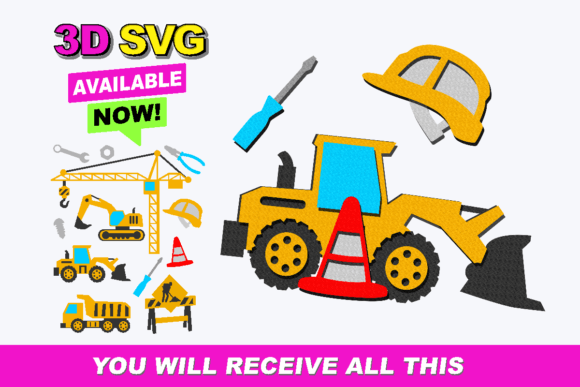
Heavy Construction Elements 3D SVG: Laser Cutting & Other Art Amp Review
As a brand designer who has spent years helping local businesses transition from generic storefronts to recognized market leaders, I approach every new graphic design asset with a mix of curiosity and skepticism. In the world of small business branding, aesthetics are not just about beauty; they are about communication, trust, and shelf appeal. Recently, I evaluated a file titled Heavy Construction Elements 3D SVG for a potential project involving a boutique hardware store and a rustic home decor line. The goal was to determine if this asset could support packaging design, product labels, and promotional visuals without overwhelming the brand identity.
This review breaks down how this specific design element fits into real-world commercial applications, focusing on its utility for laser cutting, digital printing, and physical product presentation.
First Impressions: Mood and Brand Personality
When you first load the Heavy Construction Elements 3D SVG into your design software, the immediate takeaway is its structural integrity. Unlike delicate floral clipart or whimsical illustrations, this asset carries weight. It suggests a brand personality that is bold, reliable, and grounded. For a local business, this translates to an aura of durability and craftsmanship.
The "3D" aspect of the SVG implies depth and dimensionality even in a two-dimensional vector format. This makes it particularly effective for creating visual hierarchy. When placed against a solid background, these elements do not flatten out; instead, they create a sense of layering that draws the eye. This mood is ideal for brands that want to communicate strength—think industrial chic cafes, artisanal tool makers, or modern furniture workshops. It feels less like decoration and more like architecture applied to branding.
However, designers must be careful. Because the elements are heavy, they can dominate a layout if not balanced correctly. They work best when used as accents rather than primary text containers. The aesthetic leans toward modern, masculine, and structured, though with thoughtful color pairing, it can also feel sophisticated and premium.
Real-World Application: Packaging and Labels
The true test of any design asset is how it performs in production. For this review, I simulated a packaging project for a small-batch candle brand that wanted to emphasize their hand-poured, durable quality. The Heavy Construction Elements 3D SVG was integrated into the box design as a border element and hang tag accent.
- Product Labels: The geometric precision of the construction elements provides a clean frame for essential information. By placing ingredient lists or usage instructions inside or adjacent to these structural shapes, you create a clear visual boundary that improves readability.
- Packaging Design: On corrugated boxes or kraft paper packaging, these black-and-white vector lines stand out sharply. They add a layer of professional polish that elevates the perceived value of the product. This is crucial for shelf appeal, where customers make split-second decisions based on visual clarity.
- Hang Tags and Stickers: These elements are perfect for die-cut stickers or hang tags. The strong lines ensure that even at smaller sizes, the design remains legible and impactful.
For food businesses or skincare brands looking to pivot towards a more robust, eco-friendly image, this asset offers a way to break away from the typical soft pastels and script fonts. It signals that the product inside is substantial and well-made.
Laser Cutting and Physical Production
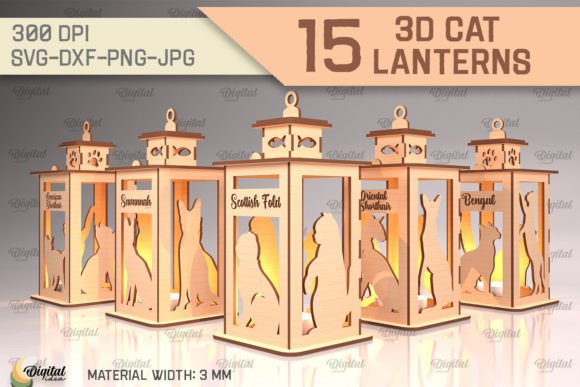
One of the standout features of this asset is its compatibility with physical fabrication tools. The download includes SVG in a zipped folder, which is standard practice, but the specific pathing of the Heavy Construction Elements 3D SVG makes it exceptionally easy to cut on machines like Silhouette Studio and Cricut Design Space.
If you are using another type of machine, please ensure you ar compatible with the node density of the file before sending it to production. The clean curves and sharp angles translate beautifully to laser cutting, allowing for intricate wooden or acrylic signage. Imagine a local coffee shop using these elements to create custom menu boards or decorative wall art that reinforces their brand’s sturdy, community-focused vibe.
This versatility bridges the gap between digital product design and physical marketing materials. You can use the same asset for a social media graphic and then cut it out for an in-store display, ensuring complete brand consistency across all touchpoints.
Where It Works Best vs. Where to Exercise Caution
To maximize the impact of this asset, it is important to know where it shines and where it might detract from your message.
Ideal Use Cases
- Hero Graphics: Use large-scale versions of these elements as background textures for website banners or event posters.
- Decorative Brand Elements: Incorporate them into corner flourishes for business cards or letterheads.
- Seasonal Campaigns: Despite their industrial look, these elements can be painted in festive colors for holiday packaging, adding a unique twist to traditional designs.
- Social Media Graphics: They provide strong framing for product photography, helping images pop in crowded feeds.
Areas for Careful Consideration
There are scenarios where this asset should be used sparingly or avoided entirely:
- Formal Corporate Branding: If your business aims for a sleek, ultra-minimalist, or high-fashion luxury aesthetic, these heavy elements may feel too rugged or utilitarian.
- Crowded Product Packaging: If your label already contains dense legal text, barcodes, and nutritional info, adding complex construction graphics can create visual clutter, reducing visual hierarchy.
- Very Small Labels: At extremely small scales, the fine details of the 3D effect may blur or disappear during printing, leading to a muddy appearance.
- Low-Contrast Backgrounds: Ensure there is sufficient contrast between the asset and the background color to maintain legibility.
Practical Designer Notes for Implementation
Before incorporating Heavy Construction Elements 3D SVG into a client’s brand identity, I recommend following these practical steps:
Test on Real Mockups: Do not rely solely on screen previews. Print the asset on the actual material you intend to use (cardstock, vinyl, wood) to check how the ink interacts with the surface.
Check Black and White Usage: Ensure the design holds up in monochrome. Many brands print in single-color processes to save costs, and the structure of this asset should remain clear even without color.
Font Pairing: Test the asset alongside different typography styles. It pairs well with sans-serif fonts for a modern look, but can also contrast nicely with serif fonts for a more editorial feel. Avoid pairing it with overly decorative scripts unless you are aiming for a very specific eclectic style.
Verify Commercial Licensing: Always confirm the commercial license terms before using this asset for client work, physical product sales, or widespread marketing campaigns. Ensuring you have the right permissions protects your business from legal issues.
In conclusion, the Heavy Construction Elements 3D SVG is a powerful tool for designers looking to inject structure and boldness into their projects. It is particularly well-suited for local business owners in the trades, home goods, and food sectors who want to convey reliability and quality. By using it strategically in packaging design and marketing visuals, you can create a cohesive brand presence that resonates with customers and stands out in a competitive market.