Nativiti Scane in Jesus 3D Shadow Box Review
In the world of digital publishing, visual hierarchy is not just an aesthetic choice; it is a functional necessity. As a blog designer and digital publisher who has spent years optimizing content for readability, engagement, and conversion, I approach every graphic design asset with a critical eye. We are not merely decorating pages; we are building trust through consistent, professional presentation. Today, I am reviewing a specific seasonal asset that has caught my attention for its potential in editorial layouts: the Nativiti Scane in Jesus 3D Shadow Box. This piece offers a unique intersection of faith-based storytelling and modern 3D SVG aesthetics, making it a compelling candidate for Christmas-themed content strategies.
The First Impression: Editorial Mood and Reader Perception
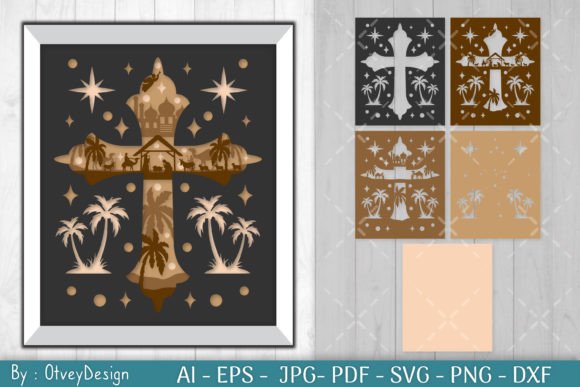
When you first download this file, the immediate takeaway is its depth. Unlike flat vector illustrations that can sometimes feel generic or overly corporate, the Nativiti Scane in Jesus 3D Shadow Box carries a sense of dimensionality and reverence. For a content creator, this translates to an editorial mood that is both warm and authoritative. It feels less like a temporary decoration and more like a permanent fixture of quality—akin to a gallery piece rather than a flyer.
This visual weight significantly impacts reader perception. In niches such as lifestyle blogging, Christian parenting, holiday guides, or even personal development journals that incorporate spiritual elements, this asset signals intentionality. It suggests that the publisher cares about the details. The design naturally supports content that needs to look polished and clickable without screaming for attention. It strikes a balance between being festive and maintaining a clean, modern aesthetic that aligns well with contemporary web design trends. If your brand identity leans towards artistic, heartfelt, or educational content, this design provides the perfect visual anchor.
Integrating the Asset into Real Publishing Workflows
The versatility of this design allows it to fit seamlessly into various stages of a content marketing funnel. Here is how I envision using this asset across different platforms:
- Blog Featured Images and Headers: The shadow box effect creates a natural focal point. When used as a hero image for a Christmas devotional or a holiday gift guide, it draws the eye immediately. It works exceptionally well when paired with ample negative space for overlay text, ensuring that headlines remain legible while the background adds texture and interest.
- Pinterest Graphics and Social Media Visuals: Pinterest is a visual search engine where click-through rates depend heavily on strong imagery. This design’s intricate details stand out in a crowded feed. You can use it for static pins promoting downloadable resources or as part of a carousel post discussing holiday traditions. Its square or portrait orientation options make it adaptable for Instagram stories and posts as well.
- Digital Products and Lead Magnets: For those creating digital guides, worksheets, or eBook covers, this asset elevates the perceived value of the product. A cover featuring the Nativiti Scane in Jesus 3D Shadow Box looks premium, encouraging higher download rates. It transforms a simple PDF into a tangible-looking resource that users are eager to save.
- Email Newsletter Design: Email open rates are competitive, but preview text and header images play a crucial role. Using this design in the top banner of a holiday newsletter sets a festive tone before the reader even opens the message. It reinforces brand consistency if your site already uses this aesthetic.
- Affiliate Marketing Content: If you are writing reviews for holiday decor or religious gifts, this graphic serves as an excellent visual representation of the theme. It helps break up long blocks of text, keeping readers engaged longer—a key metric for SEO and affiliate revenue.
Enhancing Content Performance Through Visual Hierarchy
Why does this specific asset matter for your bottom line? The answer lies in visual hierarchy. A well-designed page guides the user’s eye from the headline to the call-to-action. The Nativiti Scane in Jesus 3D Shadow Box acts as a powerful visual cue. Its 3D appearance creates layers that separate the background from the foreground content, reducing cognitive load for the reader.
Furthermore, it strengthens your brand identity. Consistency breeds trust. If your website features a cohesive set of design assets that share similar stylistic traits—such as depth, clean lines, and thematic relevance—visitors subconsciously associate your site with professionalism. This asset helps achieve that polished look. It improves category recognition, allowing readers to instantly identify holiday-related content versus regular posts. In turn, this clarity boosts user experience, reduces bounce rates, and increases the likelihood of social sharing.
Strategic Placement: Where It Shines and Where to Pause
While this asset is versatile, it is not a one-size-fits-all solution. Understanding where it fits best is crucial for effective web design.
Best Use Cases:
- Hero Sections: Large, high-resolution displays allow the shadow box details to breathe.
- Downloadable Resources: On covers and interior dividers, it adds a touch of elegance.
- Editorial Accents: Used as sidebars or section breaks, it adds visual rhythm to long-form articles.
- Media Kits: Including this in a pitch deck shows potential sponsors that you prioritize high-quality visuals.
Cautions and Limitations:
However, there are scenarios where this design should be used carefully. Due to its detailed nature, it may become muddy when scaled down to very small sizes. Avoid using it as a tiny icon or a favicon. Additionally, on mobile devices with smaller screens, ensure that the text contrast remains high against the design’s shadows. If your niche is strictly corporate, legal, or medical, this festive, artistic style might clash with the serious tone required by those industries. Similarly, on busy layouts with multiple competing graphics, this asset might create visual clutter rather than focus.
Practical Publisher Notes for Implementation
Before integrating the Nativiti Scane in Jesus 3D Shadow Box into your live site, consider these technical and strategic steps:
- Test Across Devices: Always preview the asset on desktop, tablet, and mobile. Check how it renders as a thumbnail in search results or social media previews.
- Contrast and Readability: Place headline text over the design and test legibility. Use semi-transparent overlays if necessary to ensure text pops against the 3D elements.
- Font Pairing: Experiment with typography. This design pairs beautifully with serif fonts for a classic look, or clean sans-serif fonts for a modern feel. Avoid overly decorative script fonts that compete with the intricate details of the shadow box.
- File Optimization: Since this is likely an SVG cut file included in a ZIP, you may need to convert it for web use. Ensure you export high-quality PNGs or optimize SVGs for fast loading times. Compress images properly to maintain web performance scores.
- Licensing Verification: Crucially, review the commercial license. If you are using this on monetized websites, affiliate pages, or paid digital products, you must have the appropriate rights. Most creative marketplaces offer licenses for small business branding, but always confirm the terms regarding unlimited usage or print-on-demand services.
The Nativiti Scane in Jesus 3D Shadow Box is more than just a clipart image; it is a tool for enhancing editorial quality. By leveraging its depth and festive charm, you can create a more engaging, trustworthy, and visually stunning online presence. Whether you are designing a Canva template for your audience or updating your own site’s holiday theme, this asset offers the polish needed to stand out in a crowded digital landscape.