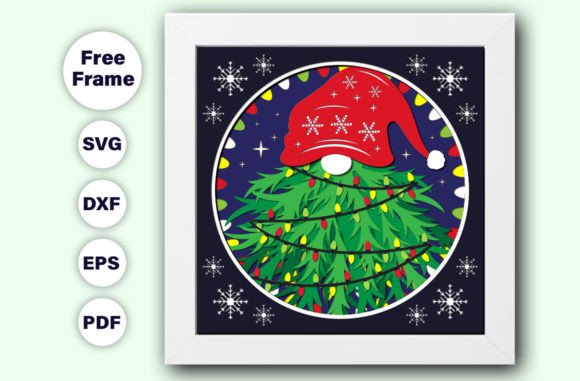
Reviewing the 3d Christmas Gnome Shadow Box Svg
When you are looking at a new machine embroidery design, especially one that promises a specific aesthetic like a shadow box effect, your first instinct is usually to check the stitch density and the complexity of the layers. As a designer who spends hours evaluating files for both personal projects and client work, I approach every new download with a mix of excitement and skepticism. The 3d Christmas Gnome Shadow Box Svg caught my eye not just because of the holiday theme, which is perennially popular, but because of the promise of depth. In the world of flat embroidery, creating the illusion of three-dimensional space is a challenge that can either elevate a simple piece or clutter a design if not executed with precision.
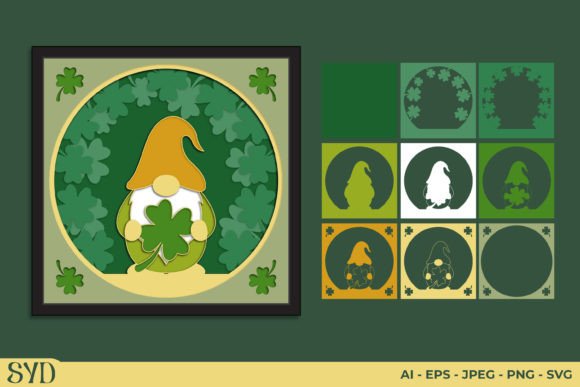
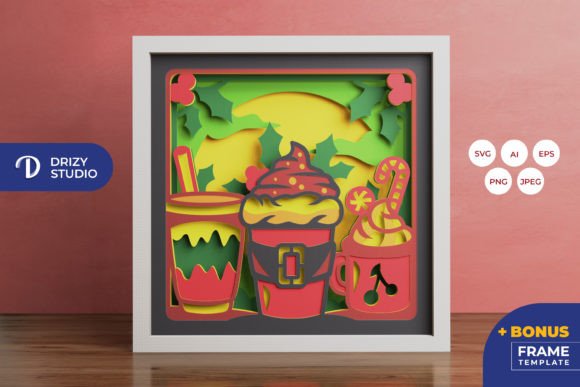
This file is described as a multilayer paper cut style digital asset, which immediately suggests an applique-heavy workflow rather than a standard fill-stitch job. For those of us in the craft business, understanding the construction of a design before stitching is half the battle won. The "shadow box" concept implies distinct layers that sit on top of one another, mimicking the look of layered cardstock or physical shadow boxes. This is a fantastic approach for holiday decor, but it requires careful planning regarding thread colors and fabric choices to ensure the final product looks intentional and polished, rather than messy or overly bulky.
The Visual Personality and Mood
The moment you open the file structure, the personality of this design becomes clear. It leans heavily into the whimsical, cozy aesthetic that defines modern winter holidays. The gnome figure itself is likely constructed from several distinct shapes—perhaps a hat, a beard, a body, and accessories—that are meant to overlap. This layering technique is excellent for embroidery projects aimed at creating visual interest without relying solely on intricate satin stitches. The mood is warm, inviting, and distinctly handmade. It feels less like a mass-produced graphic and more like something you might find tucked away in a boutique shop window or gifted to a close friend during the festive season.
For small business owners and Etsy sellers, this visual appeal is crucial. Customers today are drawn to products that feel authentic and crafted with care. A design that utilizes multiple layers naturally draws the eye and adds tactile dimension. When stitched correctly, the overlapping elements create subtle shadows and highlights that mimic the original paper-cut inspiration. This adds a level of sophistication to what could otherwise be a very basic holiday motif. It transforms a simple gnome into a character with presence, making it suitable for higher-end handmade product lines where branding and presentation matter.
Real-World Application: From Screen to Stitch
To truly understand the value of this design, we have to imagine it in use. Let’s say you are preparing a custom embroidered tote bag for a holiday market. A standard single-layer gnome might get lost against a busy canvas background. However, using the 3d Christmas Gnome Shadow Box Svg, you can build up the image with contrasting fabrics or threads. Imagine a dark navy base layer for the gnome’s coat, a bright red hat, and a fluffy white beard created with dense satin or wooly nylon topstitching. The result is a tote bag design that pops off the fabric, catching the light and drawing attention in a crowded booth.
This design also shines when applied to apparel. A crewneck sweatshirt is a classic canvas for holiday graphics. By using the multilayer aspect, you can create a focal point on the chest or back that feels substantial. The layered look works particularly well on thicker fabrics like fleece or heavy cotton blends, which provide the necessary stability for the multiple layers of stitching. Similarly, for baby embroidery, such as on a onesie or a burp cloth, the soft, rounded shapes typical of gnome designs are gentle and appealing. The shadow box effect adds a touch of elegance that parents appreciate for milestone gifts or nursery decor.
Another strong candidate for this design is the embroidered patch. If you are selling patches to other crafters or for jacket embellishments, the distinct layers make for a clean, defined edge that separates well from the garment. It reduces the need for excessive trimming around complex curves, as the layers themselves define the shape. This makes production faster and more consistent, which is a key factor for any commercial embroidery operation looking to scale up holiday inventory.
Where to Exercise Caution
Despite its strengths, no design is universally perfect, and there are specific scenarios where this embroidery file might struggle. The most critical consideration is hoop size. Because this is a multilayer design, it may require a larger hoop to accommodate all the separate pieces and their alignment points. Attempting to fit a complex shadow box layout into a small hoop can lead to registration issues, where the layers do not align perfectly, resulting in a crooked or disjointed final image. Always verify the recommended hoop size before committing to a small item like a cap or a child’s sock.
Fabric choice is equally important. Textured fabrics, such as chunky knits or terry cloth, can hide the fine details of the smaller layers. On thin or stretchy fabrics, the multiple layers of stitching and potential applique backing can cause puckering or distortion. If you are working with delicate materials, you must use a proper stabilizer to support the fabric and prevent shifting during the stitching process. Additionally, dark fabrics can sometimes make lighter thread colors disappear, so testing thread color contrast is essential. A light-colored gnome on a black background might lack the pop needed for the shadow box effect to be visible.
Curved surfaces, such as baseball caps or curved laptop sleeves, present another challenge. Maintaining the flat, layered integrity of a shadow box design on a curve can be difficult. The layers may not lay flat, causing the design to look distorted. For these applications, it is often better to embroider the design flat and then apply it, rather than trying to stitch it directly onto the curved surface. Also, consider the end-use of the product. Items that will undergo frequent washing, like kitchen towels or aprons, need robust stitching. Ensure that the design does not have loose ends or overly dense areas that might trap lint or wear out quickly.
Practical Designer Notes for Success
Before adding this design to your production line, take the time to test it thoroughly. Start by stitching it out on scrap fabric that matches the texture and weight of your final product. This allows you to see how the thread colors interact and whether the layers align as intended. Inspect the small details closely; in multilayer designs, tiny gaps between layers can become misaligned if the machine tension is not perfectly calibrated.
It is also wise to review the design in a black and white mockup. This helps you assess the value contrast between the layers without being distracted by color. If the design relies too heavily on color to distinguish layers, it may lose its impact in monochrome or low-light settings. Furthermore, check the stitch density. While the description mentions it is a creative multilayer file, you should confirm that the density is appropriate for your machine and thread type to avoid needle breakage or thread snapping.
Finally, always confirm licensing terms. Whether you are using this for a personalized gift or as part of a small shop product line, understanding the commercial rights is vital. Some digital assets allow for unlimited sales of finished items, while others restrict the number of units or prohibit resale altogether. Ensure you have the right to sell the physical products made from this digital embroidery file to protect your business and maintain ethical standards in your craft business.
In conclusion, the 3d Christmas Gnome Shadow Box Svg offers a compelling option for designers looking to add depth and character to their holiday offerings. With careful attention to fabric, stabilizers, and hoop size, it can produce stunning results that resonate with customers seeking unique, high-quality handmade goods. It is a versatile tool that, when used correctly, enhances the perceived value of your finished product and strengthens your brand’s reputation for creativity and craftsmanship.