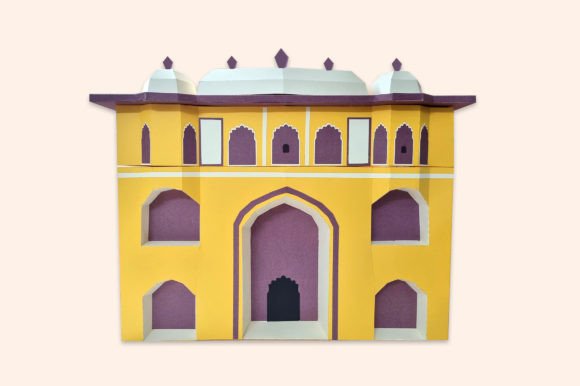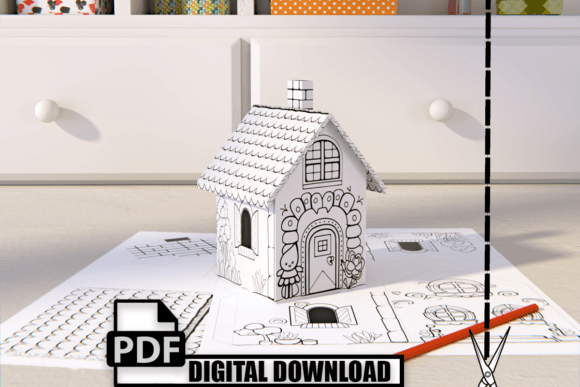
Coloring Paper Craft House 3D Model: A 3D SVG Review for 3D Houses
When I first opened the files for Coloring Paper Craft House 3D Model, my immediate thought wasn’t just about aesthetics—it was about marketability. As a digital product creator, I am constantly scanning for assets that bridge the gap between simple printables and complex commercial projects. This asset sits in a fascinating niche within the broader category of 3D Houses. It is not merely a flat image; it is a structural puzzle wrapped in a coloring page, offering a unique value proposition for both crafters and end-consumers.
The prompt describes this as the "ultimate source of joy and imaginative adventures," but from a seller’s perspective, we need to look past the marketing fluff. We need to ask: Does this design hold up under scrutiny? Can it be scaled? Is it versatile enough to justify the time investment required to list it on platforms like Etsy or Creative Fabrica? After testing this 3D SVG across several mockup scenarios, here is my honest breakdown of its potential for your online shop.
First Impressions and Visual Personality
The visual personality of this asset is distinctively playful yet structured. Unlike standard clipart houses that feel static, this design invites interaction. The mood is whimsical and inviting, leaning heavily into the "handmade" aesthetic that performs exceptionally well in the nursery and educational niches. It feels less like a rigid architectural model and more like a storybook prop.
This ambiguity is actually a strength. Because it combines the concept of a coloring page with a 3D structure, it appeals to two different buyer psychologies simultaneously: the parent looking for screen-free activities for their children, and the crafter looking for a fun weekend project. The design avoids being overly cute or childish in a way that might limit its appeal to older demographics interested in scrapbooking or home decor. Instead, it strikes a balance that feels premium yet accessible.
Real-World Product Applications
One of the biggest risks in digital selling is creating a product that has only one use case. Fortunately, this graphic design asset is surprisingly versatile. Here is how I envision integrating this into a broader product line:
- Printable Activity Bundles: This is the most obvious application. You can offer the black-and-white line art as a standalone PDF for kids to color at home. However, to increase perceived value, bundle it with instructions on how to assemble the 3D Houses.
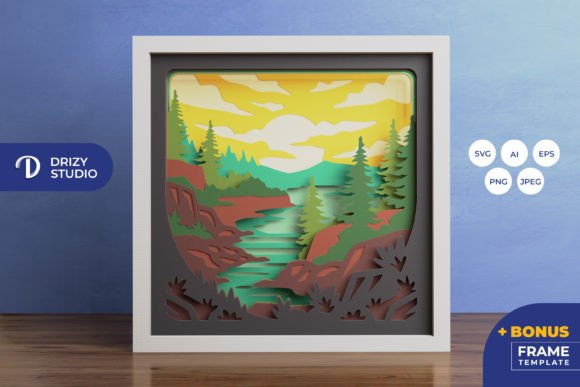
- Cricut and Silhouette Projects: For the vinyl cutting crowd, this SVG design allows for layered cardstock crafts. Sellers can create kits where users cut out pieces, paint them (or leave them white), and assemble them into room decorations.
- Sublimation and Apparel: While primarily a craft item, the illustration style works well on t-shirts and tote bags aimed at teachers, librarians, or parents. It serves as a great t-shirt design element when paired with text like "Future Architect" or "Creative Play."
- Planner Stickers and Digital Journals: If you are targeting the digital planning community, high-resolution PNG versions of the house can be used as interactive stickers. Users can drag and drop these elements into GoodNotes or Notability to plan their child’s activities or organize a playroom.
- Greeting Cards and Invitations: The structure lends itself beautifully to birthday invitations, particularly for themes involving building, construction, or simply a cozy homecoming party. It adds a tactile dimension to what is usually a flat paper product.
Testing Before Publishing: A Seller’s Checklist
Before uploading this to your Etsy product listing or print-on-demand store, rigorous testing is non-negotiable. I recommend running through the following checks to ensure customer satisfaction and reduce returns.
1. Mockup Visualization
Do not rely solely on the raw file preview. Create realistic product mockups that show the final result. Show the colored version assembled in a child’s bedroom. Show the uncolored version next to crayons. These visuals help customers understand the utility of the digital download. A strong thumbnail with clear visual hierarchy will significantly improve click-through rates.
2. File Integrity and Cut Quality
If you are selling this as an SVG design for cutting machines, inspect the vector paths closely. Are the lines clean? Are there unnecessary anchor points that could cause cutting errors? Test the file in Cricut Design Space or Silhouette Studio. Ensure that the layers separate correctly so users can color individual sections before assembly.
3. Resolution and Transparency
For PNG design uses, verify that the transparency is clean, especially around the intricate edges of the roof and windows. Low-resolution prints lead to pixelated edges, which destroys the professional feel of your brand. Aim for at least 300 DPI for any printable products.
4. Background Contrast
Test the asset against both white and dark backgrounds. Some sublimation designs require outlines or background shapes to pop on dark fabrics. Ensure the line work is bold enough to remain visible when scaled down for smaller items like mug wraps or tumbler sleeves.
Strategic Placement and Branding
This asset shines brightest in environments that emphasize creativity and hands-on engagement. It fits naturally into small business branding for shops focused on early childhood education, homeschool resources, or DIY home decor. When pairing this with typography, consider using a handwritten font for headings to reinforce the personal, crafty vibe, while keeping body text in a clean sans serif font for readability.
However, there are places where this asset should be used with caution. Avoid placing it in tiny sticker details where the structural lines may become indistinguishable. Similarly, do not overload the design with too many other elements in a design bundle; let the house be the hero. Complex layouts with weak contrast can make the assembly instructions confusing, leading to negative reviews.
Final Verdict for Digital Creators
The Coloring Paper Craft House 3D Model is a robust addition to any digital creator’s library. It moves beyond the saturated market of simple floral clipart by offering an interactive experience. By treating it as a multi-use asset—capable of serving as a commercial license-ready printable, a cutting file, and a graphic element—you maximize its ROI.
Remember to confirm your commercial licensing rights before distributing finished products. If the terms allow, this asset can support a diverse range of offerings, from Canva templates for party planners to physical merchandise via print-on-demand services. With proper presentation and careful file organization, this design can become a staple in your creative marketplace inventory, driving traffic through its unique blend of art and engineering.