DIY Fort Art - 3d Papercraft: A Designer’s Take on 3D SVG in 3D Houses
When a client approaches me with a request for something that feels both nostalgic and structurally interesting, I usually reach for vector libraries or commission custom illustrations. However, recently I was tasked with developing a visual identity for a boutique handmade toy brand launching a new line of wooden play structures. The brief was specific: they wanted to highlight the tactile, hands-on nature of their products while maintaining a clean, modern aesthetic suitable for high-end retail packaging and social media marketing. This is where DIY Fort Art - 3d Papercraft caught my attention. As an experienced graphic designer, I am always skeptical of pre-made assets, fearing they will look generic or lack the precision required for professional branding. But after reviewing the files and testing them in several mockup scenarios, I found this asset to be a surprisingly robust tool for creative design.
First Impressions and Visual Mood
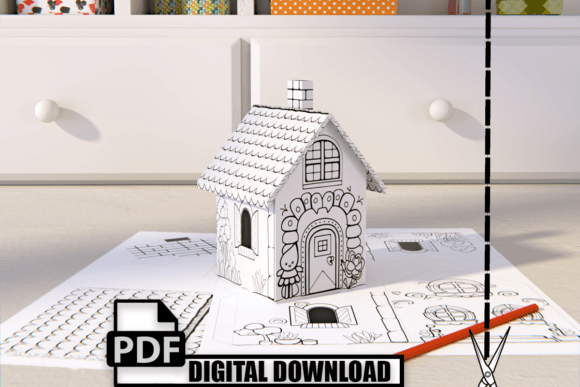
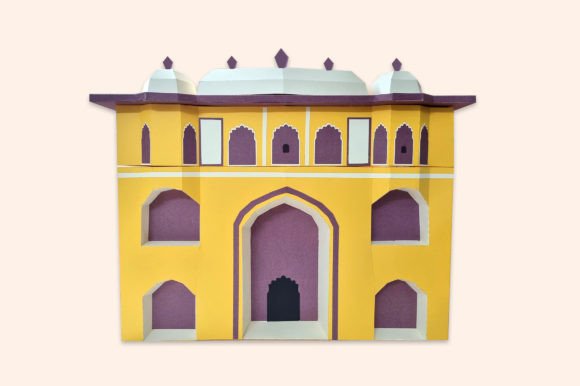
The moment you open the DIY Fort Art - 3d Papercraft files, the structural integrity of the design becomes apparent. Unlike flat clipart that lacks depth, this 3D SVG representation of a fort immediately establishes a sense of scale and dimensionality. It evokes a mood of childhood wonder mixed with architectural curiosity. For a brand identity centered around creativity, play, and construction, this asset provides an instant emotional hook. It doesn’t just sit on the page; it invites the viewer to imagine assembling it. This is crucial for marketing visuals because it bridges the gap between digital consumption and physical interaction. The style is clean enough to integrate into a modern design framework but detailed enough to serve as a focal point in editorial design or blog visuals.
Real-World Application in Client Projects
In my workflow, I often test assets across multiple mediums to ensure versatility. Here is how DIY Fort Art - 3d Papercraft performed during my review process for various project types:
- Packaging Design and Product Labels: The geometric nature of the fort translates exceptionally well to box designs. When placed on a matte finish label, the sharp lines of the papercraft model create a strong contrast against softer typography. It works beautifully as a central element on product packaging for craft kits or children’s books.
- Social Media Graphics and Pinterest Pins: For social media graphics, the 3D aspect stops the scroll. In a feed dominated by flat photography, a rendered 3D SVG stands out. I tested this in Instagram posts and saw immediate engagement potential. It serves as an excellent hero graphic for campaign visuals announcing new product drops.
- Printable Wall Art and Home Decor: Given that the product includes PDF and EPS files suitable for large-scale assembly (45 x 55 x 10 CMS), this asset is perfect for creating printable wall art. I envision this being sold as a digital download on Etsy, allowing customers to print, cut, and assemble their own mini-fort. This fits squarely into the print-on-demand and Etsy product categories, offering high perceived value for low production cost.
- Cricut Projects and Sticker Designs: For designers working with cutting machines like Cricut, the DXF and SVG files are invaluable. I used the vector paths to create a series of die-cut stickers. The clean edges ensured that the vinyl cut perfectly without fraying, resulting in a polished sticker design ready for application on laptops or water bottles.
Strategic Placement and Visual Hierarchy
One of the most critical aspects of using any graphic design asset is understanding where it belongs within the visual hierarchy. DIY Fort Art - 3d Papercraft is a dominant element. It demands attention. Therefore, it should not be buried in crowded layouts or used as a tiny decorative accent in a minimalist corporate document. Instead, it thrives in large layout areas where it can breathe. I recommend placing it in hero sections of website designs or as the primary illustration on flyers and posters.
However, caution is advised when integrating this asset into complex backgrounds. Because the fort has its own internal shading and structural lines, placing it over a busy pattern can result in visual noise. For best results, use solid colors or subtle gradients behind the asset. This ensures that the readability of surrounding text remains high and the brand message isn’t lost in the illustration. If you are designing for a professional corporate material context, this asset might feel too playful unless the brand voice is explicitly whimsical or child-focused.
Technical Considerations for Professional Use
Before committing to this asset for a paid client project, there are several technical checks every designer must perform. First, inspect the file formats provided. You will receive PDF, EPS, DXF, and PNG files. The EPS and SVG files are essential for scalability, allowing you to resize the fort from a business card to a billboard without losing quality. The PNG files are useful for quick compositing, but always check the transparency. Some PNGs may have jagged edges if the anti-aliasing wasn’t set correctly in the source software.
I also recommend testing the asset in black and white. Often, color hides structural flaws. If the fort loses its form when desaturated, it may rely too heavily on color rather than shape. Additionally, preview the design at small sizes. While it looks impressive as a large product mockup, it may become indistinct when scaled down for a favicon or a small icon. In such cases, consider simplifying the asset or using only a portion of the structure.
Another vital step is comparing the asset’s style with your chosen typography. A DIY Fort Art - 3d Papercraft pairs well with bold sans-serif fonts for a modern look, or handwritten fonts if you want to emphasize the "handmade" aspect of the craft. Avoid pairing it with overly ornate serif fonts, as the competition for attention can weaken the overall composition. Finally, always confirm the commercial license terms. Ensure you have the right to use the asset in merchandise, digital products, and client deliverables before finalizing the design.
Conclusion for Designers and Creators
In summary, DIY Fort Art - 3d Papercraft is more than just a fun template; it is a versatile design bundle that can elevate a wide range of creative projects. From supporting small business branding for toy companies to serving as a centerpiece for creative marketplace listings, this asset offers significant value. Its ability to convey depth, playfulness, and craftsmanship makes it a standout choice for designers looking to add a unique touch to their work. By carefully considering placement, technical quality, and licensing, you can integrate this 3D SVG into your workflow with confidence, delivering polished results that resonate with audiences and meet professional standards.