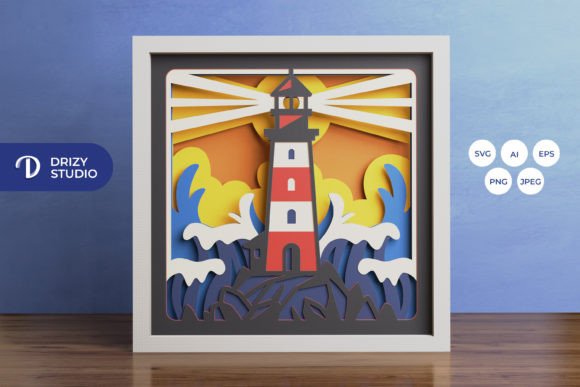
Lighthouse in the Ocean 3D Shadow Box: A Brand Designer’s Review
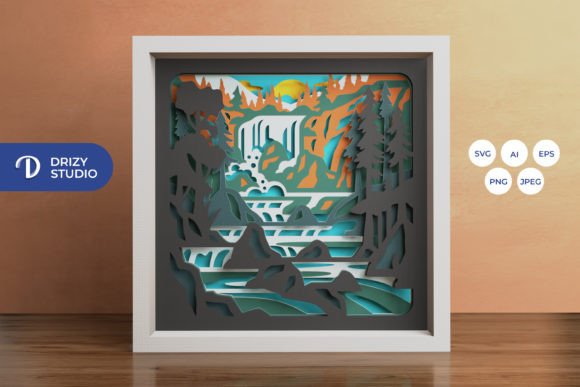
As a brand designer and content marketer, I spend my days dissecting what makes a visual asset work—or fail—in a crowded digital landscape. When I first encountered Lighthouse in the Ocean 3D Shadow Box, my initial reaction was not just aesthetic appreciation, but a rapid assessment of its utility for commercial branding and marketing campaigns. This is a layered, square paper-cutting template of this Lighthouse 3D Shadow Box. You will receive this ocean 3D Shadow Box template in the following formats AI, which immediately signals its versatility for professional workflows.
In an era where audience attention spans are fleeting, the emotional tone of your graphics dictates whether a user stops scrolling or keeps moving. This design asset brings a distinct mood: one of guidance, stability, and serene strength. It feels less like a generic clipart illustration and more like a premium decorative element suitable for lifestyle content, handmade products, and editorial graphics. For small business owners and creative entrepreneurs looking to elevate their brand identity, understanding how such a specific visual narrative performs is crucial.
The Real-World Campaign Scenario
To truly evaluate this asset, let’s frame it within a realistic marketing project. Imagine you are launching a new line of artisanal sea salts or essential oils, or perhaps promoting a seasonal "summer retreat" offer for an online coaching program. Your goal is to refresh social media visuals and create a cohesive content kit that feels both modern and trustworthy. In this scenario, Lighthouse in the Ocean 3D Shadow Box serves as a powerful anchor for your visual hierarchy.
Instead of relying on stock photography that might feel overused, using this 3D SVG allows you to create unique marketing visuals that stand out. The layered nature of the shadow box creates depth, drawing the eye inward. This depth can be leveraged in Pinterest pins or Instagram posts to suggest a journey or a destination, aligning perfectly with themes of exploration, safety, and discovery. It transforms a simple product promotion into a story-driven campaign, enhancing audience trust by presenting a polished, intentional brand image.
Performance Across Marketing Channels
When integrating this graphic design asset into your workflow, its adaptability becomes apparent. Here is how it performs across various touchpoints:
- Social Media Graphics: The square format fits seamlessly into Instagram grids and Facebook ads. As a digital product or promotional banner, it adds a tactile quality to flat screens.
- Packaging Design: For physical goods, this design can be printed on labels, stickers, or packaging inserts. The intricate layers of the SVG design translate well to high-quality print, adding a premium unboxing experience.
- Web Design & Editorial Layouts: Use it as a hero graphic for website headers or as a decorative accent in blog posts. It breaks up text-heavy layouts without overwhelming the reader, supporting content marketing efforts.
- Digital Ads & Lead Magnets: In email banners or lead magnet covers, the lighthouse symbolizes guidance, subtly reinforcing the value proposition of your offer.
This versatility ensures that your professional branding remains consistent whether the viewer encounters you on a mobile device or a large desktop monitor. By maintaining a unified visual language, you strengthen brand recognition and make your campaigns more memorable.
Strategic Brand Communication Benefits
Why choose this specific asset for your small business branding? The answer lies in psychological impact and design principles. First, it creates a stronger first impression. The 3D effect implies effort and quality, suggesting that your brand pays attention to detail. Second, it supports clearer visual hierarchy. Because the design is self-contained and visually rich, it can act as a focal point, allowing your copy to take a supportive role rather than competing for attention.
Furthermore, this asset fosters an emotional connection. The imagery of a lighthouse evokes feelings of safety and hope, which can be particularly effective for brands in the wellness, travel, or education sectors. By associating these positive emotions with your products or services, you improve engagement rates and build a loyal community. It is not just about looking good; it is about communicating values effectively through modern design techniques.
Optimal Placement and Creative Applications
To maximize the impact of Lighthouse in the Ocean 3D Shadow Box, strategic placement is key. It works best in:
- Hero Graphics: As the main visual element on landing pages or campaign headers.
- Product Launch Visuals: To announce new items with a sense of grandeur and importance.
- Branded Templates: Incorporate it into Canva templates for clients or followers to ensure consistent use of your brand assets.
- Packaging Accents: As a subtle background element or border detail on boxes and bags.
- Decorative Brand Elements: Used sparingly in editorial designs to add texture and interest to otherwise plain layouts.
However, there are contexts where caution is advised. This asset should be used carefully in formal corporate branding where minimalism is preferred, or in dense information layouts where clutter must be avoided. Avoid placing it on low-contrast backgrounds where the details might get lost, or in small mobile graphics where the intricate layers may become indistinct. Additionally, if your design is already text-heavy, this strong visual element might compete with your main message rather than support it.
Practical Notes for Designers and Marketers
Before integrating this asset into your paid campaigns or client work, consider these practical steps:
- Color Palette Testing: Test the asset with your brand colors. While the default shading provides depth, adjusting the hues can help it blend better with your existing logo design or color scheme.
- Monochrome Checks: Preview the design in black and white to ensure the structural integrity holds up without color cues.
- Mockup Integration: Place it inside real campaign mockups to see how it interacts with other elements like typography and whitespace.
- Typography Pairing: Experiment with different font styles. A serif font can enhance the classic, timeless feel of the lighthouse, while a sans serif font might give it a more contemporary edge. Script or handwritten fonts could work for a more personal, boutique vibe, but ensure readability.
- Commercial Licensing: Always confirm the commercial license before using this asset in any revenue-generating activity. Understanding the terms protects your business and respects the creator’s rights.
In conclusion, Lighthouse in the Ocean 3D Shadow Box is more than just a pretty picture; it is a strategic tool for creative marketplace sellers and established brands alike. By leveraging its depth and symbolic power, you can create design assets that not only attract attention but also communicate professionalism and emotional resonance. Whether you are designing social media graphics, updating your web design, or crafting packaging design elements, this asset offers a sophisticated way to elevate your visual storytelling and drive meaningful engagement with your audience.