Waterfall in the Forest 3D Shadow Box: A Designer’s Review for Web Content
In the world of digital publishing, the difference between a scroll-past and a click-through often comes down to visual hierarchy and editorial polish. As a blog designer who has spent years refining website layouts and content strategies, I am constantly hunting for graphic design assets that do more than just fill space—they need to communicate mood, establish trust, and guide the reader’s eye. Recently, I evaluated the Waterfall in the Forest 3D Shadow Box, a layered paper-cutting template designed for cutting machines, to see if it holds up as a viable tool for serious web design and content marketing workflows.
This is not merely a craft supply; when viewed through the lens of a digital publisher, it represents a unique opportunity to create depth and texture in a flat-screen environment. Below, I break down how this 3D SVG file can be integrated into your existing blog graphics, newsletter headers, and social media strategy.
The Editorial Mood: Depth in a Flat World
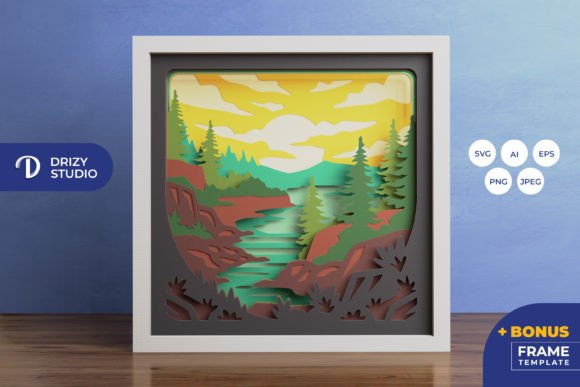
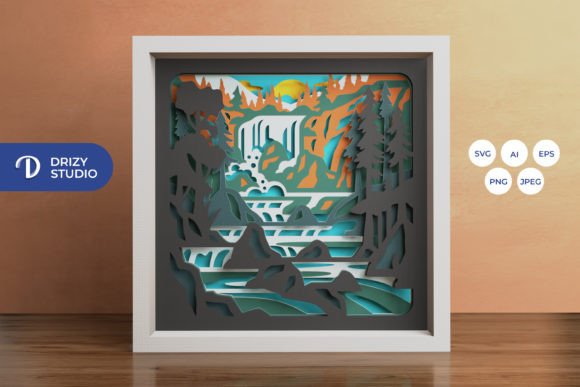
The first impression of the Waterfall in the Forest 3D Shadow Box is one of serene complexity. Unlike standard flat illustrations or stock photography, which can sometimes feel sterile or overused, this design brings a tactile quality to digital spaces. The layered nature of the shadow box aesthetic creates a sense of movement and dimensionality that immediately captures attention. For editors and designers looking to elevate their brand identity, this asset offers a sophisticated, artistic vibe that feels both modern and timeless.
The visual mood is distinctly lifestyle-focused yet grounded in nature. It avoids being overly playful or childish, instead leaning toward an elegant, almost meditative aesthetic. This makes it particularly effective for niches that value authenticity and calm, such as wellness blogs, sustainable living platforms, eco-friendly product reviews, or creative entrepreneurship sites. When you use this creative design element, you are signaling to your audience that your content is curated with care. It suggests a modern design sensibility that respects the reader’s intelligence while providing a visually pleasing experience.
Real-World Publishing Applications
So, where does this design asset fit into a real publishing workflow? Having tested various iterations of layered designs in my own projects, I have identified several high-impact areas where the Waterfall in the Forest 3D Shadow Box excels.
- Featured Images and Article Headers: Instead of relying on generic photography, using a stylized, layered graphic can help your posts stand out in crowded RSS feeds and social media timelines. The depth of the shadow box style creates a focal point that draws the eye directly to the headline.
- Pinterest Pins and Social Media Graphics: Pinterest is a visual search engine, and aesthetics drive clicks. This design provides the kind of "stop-scrolling" visual interest that performs well on Pinterest. Its square format aligns perfectly with standard pin dimensions, making it easy to integrate into Pinterest pin templates without extensive resizing.
- Digital Guides and Lead Magnets: If you are creating a downloadable PDF, eBook, or worksheet, this asset can serve as a striking cover image or section divider. It adds a layer of professionalism to your digital product, making it feel like a premium resource rather than a simple text document.
- Newsletter Banners: Email clients often struggle with complex images, but a clean, layered vector graphic can render beautifully in many email platforms. Using this as a header for your monthly digest can reinforce your small business branding and keep your emails looking cohesive.
- Website Category Thumbnails: For blogs with multiple categories, using variations of this shadow box theme (e.g., different color palettes) can create a unified visual system. This helps users navigate your site intuitively, improving the overall user experience.
Impact on Content Performance and Trust
Why should you invest time in integrating a specialized graphic design asset like this? The answer lies in the psychology of web design. Readers form opinions about the credibility of your content within milliseconds. A polished, intentional visual presentation signals expertise and attention to detail.
By using the Waterfall in the Forest 3D Shadow Box, you enhance your visual hierarchy. The layered elements naturally guide the viewer’s eye, allowing you to place key messages or calls-to-action in positions of prominence. This clarity reduces cognitive load for the reader, making them more likely to engage with your content. Furthermore, consistent use of high-quality design assets builds a stronger brand identity. Over time, your audience will recognize your distinctive style, leading to increased return visits and higher click-through rates on your affiliate links or sponsored content.
Strategic Placement: Where It Works Best
To maximize the effectiveness of this asset, consider its strengths. It works exceptionally well as a website header background, provided there is sufficient negative space for text overlay. It is also ideal for editorial accents, such as pull quotes or sidebars, where it can add visual breaks without overwhelming the text. For affiliate marketing content, where product showcases are common, this graphic can serve as a stylish backdrop for product comparisons, adding a touch of elegance to sales pages.
Additionally, this digital download can be repurposed into a Canva template for your team or clients. By setting up pre-designed layouts featuring this shadow box, you streamline your content creation process, ensuring that every piece of social media graphics maintains a consistent look and feel.
Cautions and Practical Publisher Notes
While the Waterfall in the Forest 3D Shadow Box is versatile, it is not a one-size-fits-all solution. There are specific scenarios where caution is required to maintain editorial integrity and technical performance.
- Mobile Responsiveness: Always test the asset on mobile screens. Layered designs can become cluttered or lose detail when scaled down. Ensure that the key elements remain visible and recognizable at smaller thumbnail sizes.
- Text Contrast and Readability: Avoid placing dense body text directly over the intricate layers of the shadow box. The visual noise can hinder readability. Instead, use solid color blocks or semi-transparent overlays to separate text from the graphic. Check contrast ratios to ensure accessibility compliance.
- Niche Appropriateness: While beautiful, this design may not suit highly corporate, legal, or financial niches that require a strict, minimal visual system. In those contexts, the organic, artistic nature of the forest waterfall might feel out of place.
- File Size Optimization: Even though this is a vector-based 3D SVG, converting it to raster formats for web use can increase file size. Compress your final images properly to ensure fast page load times, which is critical for SEO and user retention.
- Licensing Verification: Before using this asset on monetized websites, affiliate pages, or paid content products, confirm the commercial license. Most marketplaces allow commercial use, but some may restrict resale or require attribution. Protect your business by reviewing the terms carefully.
Typography and Layout Integration
When pairing this graphic with typography, consider the balance between organic and structured elements. The flowing lines of the waterfall and forest complement sans-serif fonts for a clean, modern look. For a more editorial feel, pair it with a classic serif font to evoke a sense of tradition and authority. Avoid overly decorative script fonts that might compete with the intricate details of the shadow box. Test these combinations in black and white first to ensure the layout holds up without relying on color alone.
Final Verdict for Digital Publishers
The Waterfall in the Forest 3D Shadow Box is more than just a craft template; it is a powerful graphic design asset for digital publishers seeking to differentiate their content. Its ability to add depth, texture, and emotional resonance to digital interfaces makes it a valuable addition to any designer’s toolkit. Whether you are updating your blog graphics, creating new lead magnets, or refreshing your social media presence, this asset offers a professional, polished look that can enhance reader engagement and trust.
For bloggers, designers, and content creators willing to experiment with layered visuals, this creative marketplace find delivers significant value. It supports a cohesive brand identity and elevates the perceived quality of your work. By integrating this asset thoughtfully into your content marketing strategy, you can create a more immersive and compelling online experience for your audience.